Hormuz Tankers Struck Again. Here’s the Catch for Oil
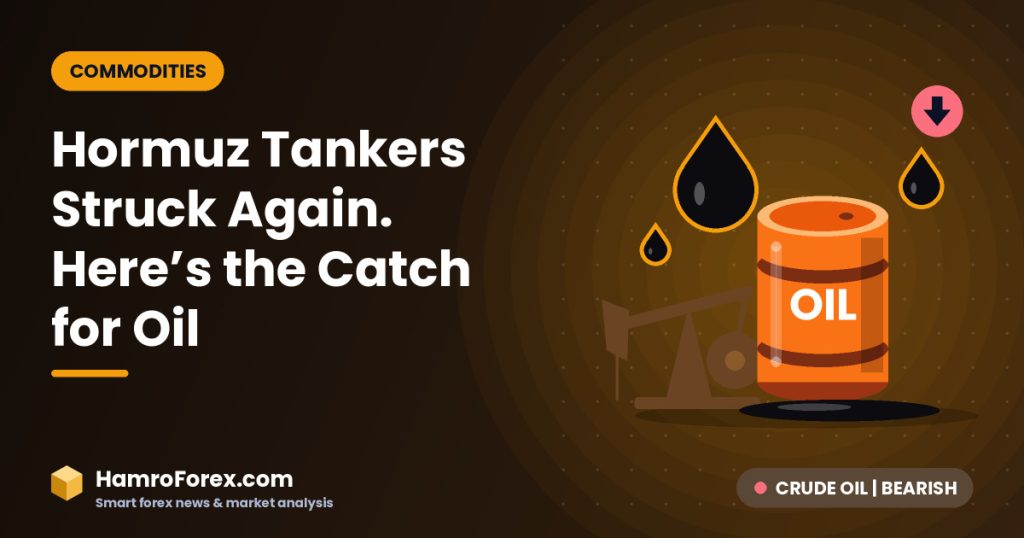
Hormuz Tankers Struck Again. Here’s the Catch for Oil
Two outbound tankers were hit by unidentified projectiles near Khasab, Oman, early Saturday, UKMTO reported, as Iran’s navy claimed a separate vessel caught fire after striking a mine east of the Strait of Hormuz. The incidents add to a string of attacks that have kept shipping risk elevated even as oil prices slid for a third straight week.
UKMTO WARNING 216-26 – ATTACK
Click here to view the full product⤵️
https://t.co/example #MaritimeSecurity #MarSec— UKMTO Operations Centre (@UK_MTO) November 21, 2026
What happened
UKMTO issued Warning 215-26 at 0500 UTC for a tanker hit on the stern 11 nautical miles north of Khasab. Warning 216-26 followed at 0550 UTC for another tanker struck in the engine room 17 nautical miles east of the same point. No casualties were reported in either case, and environmental impact remains unconfirmed, the agency said. Reuters noted it was not immediately clear if the reports involved the same vessel.
Iran’s navy, via state media, said a violating oil tanker that entered a restricted zone east of the strait caught fire after hitting a naval mine. The ship had its identification and navigation systems switched off, the statement added. Tehran has repeatedly claimed such incidents involve vessels ignoring its transit rules amid the ongoing conflict that began with US-Israeli strikes in late February.
These Saturday events follow a Friday incident north of Khasab in which a tanker caught fire after a projectile strike, according to UKMTO. Attacks have run at roughly one per day in November, maritime trackers note, even as Gulf exports recovered toward pre-war levels.
Market reaction
Brent crude settled Friday at $92.57 a barrel, up 0.64% on the day but down about 3.4% for the week, its third straight weekly loss. WTI finished at $83.98. Prices bounced from deeper intraday lows as traders weighed the shipping threats against recovering Middle East flows and signs of a potential surplus. Gold closed near $3,538, down roughly 9% for the week. The dollar stayed firm on Fed hike bets.
With markets closed over the weekend, Monday’s open will show whether the fresh incidents add a risk premium or whether supply recovery continues to dominate. Oil remains well above year-ago levels despite the recent slide.
Why it matters for traders
The Strait of Hormuz carried nearly one-fifth of global crude before the war. Persistent attacks have not fully shut flows, but they raise insurance costs, force detours or dark transits, and keep a geopolitical bid in prices. Iran is using the waterway to pressure the US over its blockade and the broader conflict. For oil traders, the pattern has been that headlines trigger short-covering rallies that fade when exports hold up.
Equity markets already face pressure from the AI selloff. Any sustained oil spike could add inflation concerns and complicate Fed expectations. Check the economic calendar for upcoming data that could shift rate bets.
Key levels / what to watch next
Watch Brent around $90 support and $95 resistance into the Monday open. A break below $90 would signal supply fears are winning. Track UKMTO warnings and any official confirmation of the Iranian mine claim. Gulf shipping volumes and US Navy escort activity will matter. Also watch for any response from Washington after the weekend incidents.
Use the risk calculator and trading journal to size positions if volatility picks up. Previous coverage of Hormuz incidents is on the site.
- Two tankers hit by projectiles near Khasab on Saturday, UKMTO said.
- Iran claimed a separate vessel hit a mine and caught fire.
- Brent still posted a third weekly loss despite the risks.
- Monday open will test if the premium returns or supply narrative holds.
This article is for information only and is not financial advice.
Learn more: who we are · the risk disclaimer · contact us.
Educational content, not financial advice. Leveraged trading can lose more than your deposit.

Discussion
0 commentsNo comments yet. Start the discussion below.