
Iran Reports Oil Tankers Hit Mines in Strait of Hormuz, Sustaining Oil Risk Premium
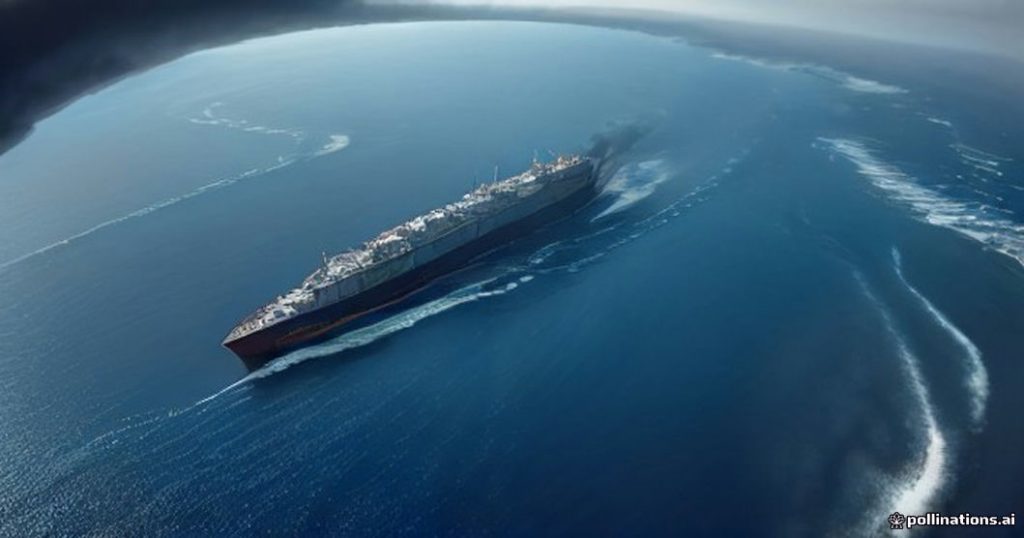
Iran’s Islamic Revolutionary Guard Corps (IRGC) Navy and conventional navy reported on November 13–14, 2026, that multiple oil tankers caught fire after striking naval mines while attempting to transit the Strait of Hormuz without Iranian authorization. The claims, carried by Iranian state media and reported by Reuters and Channel News Asia, add to a series of similar incidents in recent weeks and sustain a geopolitical risk premium in oil markets even as the International Energy Agency (IEA) forecasts a return to surplus in the fourth quarter.
What Happened
According to statements relayed by Iranian state broadcaster and covered by Reuters, the IRGC Navy said two oil tankers exploded and caught fire after hitting sea mines while trying to cross the Strait of Hormuz without coordination with Iranian authorities. A separate statement from Iran’s conventional navy described another tanker that struck a mine east of the strait after entering a restricted zone with its tracking systems switched off. Iranian sources indicated one of the vessels was a supertanker. No independent verification of the exact circumstances has been confirmed by Western maritime authorities at the time of reporting, though the United Kingdom Maritime Trade Operations (UKMTO) has previously noted incidents involving projectiles or fires on vessels in the area.
These reports follow earlier claims throughout November of tankers being hit by mines or projectiles while using routes Iran considers unauthorized. Tehran has restricted navigation through the strait since the outbreak of the US-Israel conflict with Iran earlier in 2026, requiring authorization for vessels and warning that non-compliant ships face risks. The United States maintains a naval blockade on Iranian ports in response and provides support to commercial shipping.
Market Context and Oil Price Reaction
Oil prices have remained elevated but volatile. Brent crude has traded near $95–96 per barrel in recent sessions, while West Texas Intermediate (WTI) has hovered around $88. The IEA’s latest Oil Market Report projected a surplus in Q4 2026 as Gulf exports recover, with global supply rising and flows through Hormuz improving from earlier war-related lows. However, ongoing attacks and Iranian claims of mine strikes continue to support a risk premium that prevents a sharper decline in prices.
President Donald Trump has stated that the United States does not need a deal with Iran, reinforcing expectations that the blockade and associated shipping risks will persist. This stance has contributed to rebounds in oil prices on several days this week, even as broader weekly trends showed some easing. Higher oil prices feed into inflation expectations, which in turn influence Federal Reserve policy and broader financial markets.
Why It Matters for Forex, Gold, and Other Assets
Sustained geopolitical risk in the Strait of Hormuz—through which roughly one-fifth of global oil historically flowed before the conflict—supports oil prices and can influence currency markets. Commodity-linked currencies such as the Canadian dollar, Norwegian krone, and Australian dollar often benefit from higher oil, while oil-importing currencies may face pressure. The US dollar has been strong recently on Fed rate-hike expectations, with the Dollar Index near multi-month highs around 103.
Gold, which has faced selling pressure from higher yields and a stronger dollar (trading near $3,870–$3,900 recently after falling from higher levels), could see mixed effects. Higher oil can boost inflation expectations and support gold as a hedge, but elevated real yields from Fed tightening typically weigh on the non-yielding metal. Stocks, particularly energy names, may find support from firmer oil, while broader risk assets remain sensitive to inflation and rate outlooks.
For forex traders, the key pairs to watch include USD/CAD, EUR/USD (sensitive to dollar strength and global growth), and USD/JPY (near 160 amid intervention speculation). Cryptocurrency markets, already under pressure from rate-hike bets and liquidations, tend to correlate with risk sentiment influenced by energy and inflation developments.
Potential Scenarios
Bullish for oil (and commodity currencies): Further confirmed disruptions, additional mine incidents, or escalations that reduce actual export volumes could tighten the physical market, pushing Brent above $100 and supporting CAD, NOK, and energy equities. This would also add to inflation pressures, reinforcing Fed hike expectations and dollar strength.
Bearish or neutralizing for oil: If the incidents prove limited, traffic recovers further as noted in the IEA report, or diplomatic signals emerge that reduce the blockade’s effectiveness, prices could resume the recent downward drift toward the $90 area or lower. This would ease inflation concerns somewhat and potentially soften the dollar if combined with cooler data.
Traders should distinguish between Iranian claims (which require independent verification) and confirmed shipping data from sources like UKMTO or commercial trackers. Speculative positioning and the broader Fed outlook remain dominant drivers alongside geopolitics.
Looking Ahead
Market participants will monitor shipping traffic data, any UKMTO or coalition statements on the latest claims, oil inventory reports, and upcoming US data that could influence rate expectations. The combination of recovering supply (per IEA) and persistent security incidents creates a two-way risk environment for oil and related assets. For HamroForex readers, this underscores the importance of tracking both fundamental supply-demand balances and geopolitical catalysts in energy-linked trades.
Published: November 14, 2026, 06:45 UTC
Sources: Reuters reporting on IRGC statements; Channel News Asia; International Energy Agency Oil Market Report context from prior coverage; UK Maritime Trade Operations historical notes.
nnnRelated report from X.com (verification pending independent confirmation):
nnnnLearn more: who we are · the risk disclaimer · contact us.
Educational content, not financial advice. Leveraged trading can lose more than your deposit.
Discussion
0 commentsNo comments yet. Start the discussion below.