
Trump Extends Jones Act Waiver for Oil and Fertilizer Shipments by 90 Days
Published: November 13, 2026, 18:30 UTC
Trump Extends Jones Act Waiver for Oil and Fertilizer
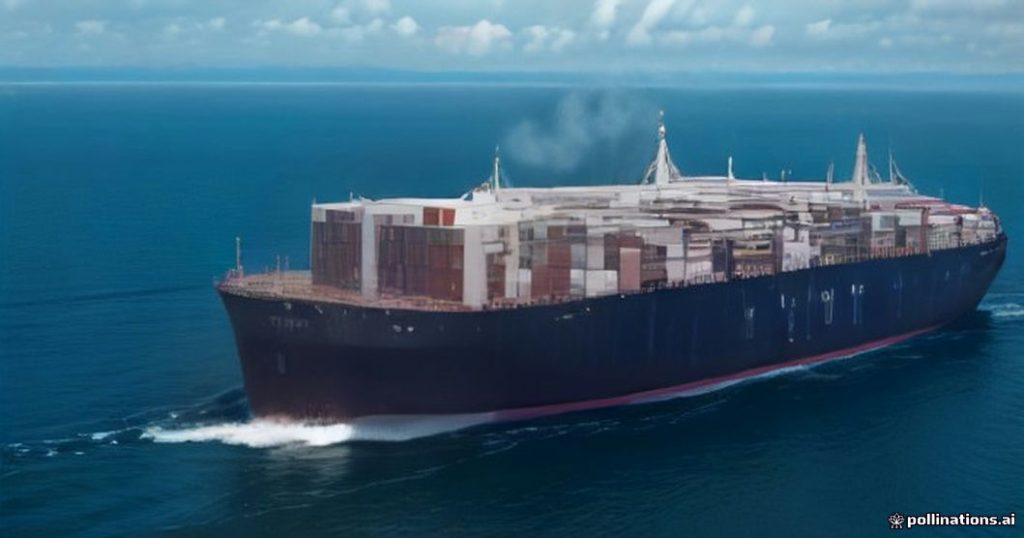
President Donald Trump has decided to extend by 90 days a temporary waiver of the Jones Act, allowing foreign-flagged ships to transport oil, fertilizer, and other commodities between US ports. The move, reported by Bloomberg citing a White House official, comes just days before the previous authorization was set to expire on November 15, 2026.
The Jones Act, a century-old US law, requires that cargo shipped between American ports travel on vessels that are US-built, US-owned, and US-crewed. The waiver is part of efforts to ease domestic fuel transportation bottlenecks and help contain rising energy costs linked to ongoing geopolitical conflicts, including tensions involving Iran.
Background and Scope
The current waiver, which has been in place in various forms since March 2026 and is already the longest continuous exception in the law’s history, operates under a case-by-case review process. Individual voyages require approval after checks on vessel availability by the Maritime Administration. Previous broader blanket exemptions were narrowed following concerns from domestic shipbuilders and maritime interests.
Analysts and industry sources note that while the waiver increases the pool of available tankers for moving Gulf Coast refined products and other commodities to the East and West Coasts, its direct impact on retail gasoline and diesel prices has been limited—typically estimated in the range of pennies per gallon.
Market Implications
Oil markets remain sensitive to US domestic supply logistics as well as international geopolitics. An extension provides some continuity for energy traders and refiners, potentially reducing short-term shipping premiums on certain routes. However, with global oil balances and Federal Reserve policy still the dominant drivers, the effect on benchmark crude prices (Brent and WTI) is expected to be modest.
For forex traders, the development is primarily a secondary factor for the US dollar and commodity-linked currencies. Persistent high fuel costs can influence inflation expectations, which in turn affect rate-hike pricing and USD strength. Fertilizer shipments under the waiver may also have minor implications for agricultural commodity markets and related currencies.
Potential Scenarios
Bullish case for energy logistics: Continued access to foreign-flagged vessels supports smoother domestic distribution of refined products, helping stabilize regional fuel availability into the winter heating season.
Bearish or limited-impact case: Domestic maritime groups continue to argue that the waiver has not delivered measurable retail price relief and has delayed investment in US-flagged tonnage. If geopolitical tensions ease or oil supply recovers, the policy’s relevance could diminish quickly.
Credible sources for this development include Bloomberg reporting based on White House officials and earlier Reuters coverage of the expected extension.
This article is for informational purposes only and does not constitute investment advice.
Bloomberg reported the decision on X:
Learn more: who we are · the risk disclaimer · contact us.
Educational content, not financial advice. Leveraged trading can lose more than your deposit.
Discussion
0 commentsNo comments yet. Start the discussion below.