BoJ Holds at 1.25% With a Hawkish Tilt: USD/JPY Outlook

Published 30 October 2026. Market levels are as reported by the cited sources during the Asian session on 30 October and may have moved since. This report was written before Governor Ueda’s press conference (06:30 GMT, 12:15 pm Nepal time), so check the Bank of Japan’s website for his remarks.
The Bank of Japan (BoJ) kept its policy rate at 1.25% on Friday, 30 October 2026, but the message around the hold was firmer than the headline suggests. In its quarterly Outlook Report the central bank said underlying inflation is now generally consistent with its 2% target and that price risks are skewed to the upside. One board member voted for a rate hike. For forex traders, the debate is shifting from whether Japan keeps tightening to how quickly it does so, and how the yen trades while markets wait.
What the Bank of Japan Decided
The decision followed a two-day meeting on 29 and 30 October. The BoJ raised rates by 25 basis points to 1.25% in September, which FXStreet describes as the highest level in 31 years, so a pause was the consensus view going in. Reuters reported that the bank also revised up its inflation forecast and stressed that it is ready to keep raising borrowing costs.
| Item | Outcome | Why it matters |
|---|---|---|
| Policy rate | Unchanged at 1.25% | In line with expectations, so the rate itself was not the surprise |
| Board vote | 8-1, with Hajime Takata favouring a hike to 1.50% | A dissent in favour of tightening, with no dovish split reported |
| Inflation assessment | Underlying inflation generally consistent with the 2% target | Strengthens the argument for further rate rises |
| Price outlook | FY2027 core CPI forecast lifted to 2.6%, with risks skewed to the upside | A higher forecast supports a gradual tightening path |
| ETF holdings | Sales to be more than doubled from 2027 | A small, slow-moving supply factor for Japanese equities |
The vote, the 2% assessment and the forecast changes are as reported by investingLive. The Bank’s own documents are published on the Bank of Japan website.
Why the 2% Inflation Assessment Matters
Underlying inflation is a measure that tries to look through temporary swings in prices. By saying it is now consistent with the 2% target, the BoJ removes one of its main arguments for waiting. That does not guarantee a hike in December. It does make further tightening easier to justify, which is why analysts described the package as hawkish even though the rate did not move.
Masahiko Loo of State Street Investment Management called it a boring hold with a hawkish direction, according to Reuters. His base case is that Japan’s policy rate eventually settles around 1.75%. That is one analyst’s forecast, not a BoJ commitment.
How the Yen and USD/JPY Reacted
The yen strengthened modestly after the announcement. Reuters reported a high of 157.115 per dollar, which erased most of the yen’s losses for October and left the currency on track to finish the month broadly flat. Before the decision it was holding near 157.8, according to investingLive, and FXStreet reported USD/JPY slipping below 157.50 once the statement was out.
The move was not only about Japan. A fresh wave of selling in AI-related shares sent investors into US Treasuries, pulling the 10-year yield to around 4.90%, a one-month low, and weighing on the dollar. The dollar index was near 101.77, according to Reuters. Lower US yields narrow, at the margin, the interest-rate gap that has favoured the dollar against the yen, so part of the yen’s gain reflects US market moves rather than the BoJ alone.
Which Currencies and Markets Could Be Affected
- USD/JPY: the most direct pair. Firmer December hike expectations would tend to pressure it lower, while a softer message from Governor Ueda could revive yen selling.
- Yen crosses: EUR/JPY was trading around 176.10 in Asia, according to FXStreet. Pairs such as GBP/JPY and AUD/JPY are sensitive to carry trades, which can unwind quickly when the yen rises. Our currency correlation tool shows how these pairs move together.
- Japanese bonds and equities: short-dated government bond yields tend to rise on hike expectations, and exporters can lose from a stronger yen. The Nikkei lost about 2.5% on the day, according to investingLive, amid the AI-related sell-off.
- Energy and inflation: Brent crude was on track for an 11.5% gain in October, its fourth straight monthly rise, per Reuters. Higher energy costs feed Japan’s import bill and the inflation outlook.
What Analysts and Markets Expect Next
Markets entered the meeting pricing roughly an 80% chance of a December hike, according to investingLive, and FXStreet cited swaps pointing to about 75% to 80% odds for the 18 December meeting. A Reuters poll cited by investingLive found 69% of economists expect a hike in the fourth quarter. ANZ’s Khoon Goh described this week’s round of central bank holds as a temporary pause in a global tightening cycle, according to Reuters.
These are market expectations and analyst forecasts. A December hike has not been announced or confirmed by the BoJ.
What Forex Traders Should Monitor
- Governor Ueda’s press conference. Analysts flagged a shift from saying rates are decided meeting by meeting to language pointing to the next meeting as the strongest signal for December.
- Japanese inflation and wage data ahead of the 18 December meeting. Use the economic calendar to track releases.
- US Treasury yields and the AI-driven equity sell-off. Risk sentiment steered the dollar this week. See our earlier look at the Alphabet sell-off and forex markets.
- Next week’s central banks. Reuters flagged the Bank of England and the Reserve Bank of Australia as the next focus. Read our Bank of England November preview.
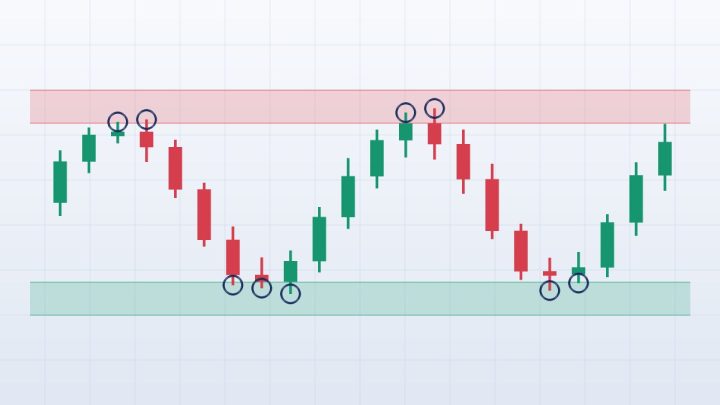
- Key USD/JPY levels. FXStreet notes that 160 is widely treated as the yen’s red line because of intervention risk, while a daily close below 156 would take the pair out of its October range and put the September low near 153 back in view.
Trading Considerations
Yen pairs can move quickly around central bank events, and spreads often widen when liquidity thins. Size positions from your stop distance rather than from conviction, and use the risk management calculator before entering. Check forex market hours to see when Tokyo and London liquidity overlaps. For more background, read our USD/JPY preview before the BoJ decision and our guide to how central bank rate decisions move forex, or the Fed decision report for the US side of the rate gap.
This article is for information and education only and is not investment advice. Trading leveraged products carries a high risk of loss.
Sources
- Reuters via Yahoo Finance: Yen gains after BOJ, AI jitters drive Treasury rally, weigh on dollar
- investingLive: BoJ declares underlying inflation at 2% target, lifts FY2027 price forecast as rates held
- investingLive: Asia-Pacific market news wrap
- investingLive: BoJ decision due shortly
- FXStreet: Japanese Yen strengthens vs USD on BoJ’s hawkish pause
- FXStreet: 160 is still the Yen’s red line
- FXStreet: Euro holds losses as BoJ pause weighs on EUR/JPY
- Bank of Japan
Learn more: who we are · the risk disclaimer · contact us.
Educational content, not financial advice. Leveraged trading can lose more than your deposit.