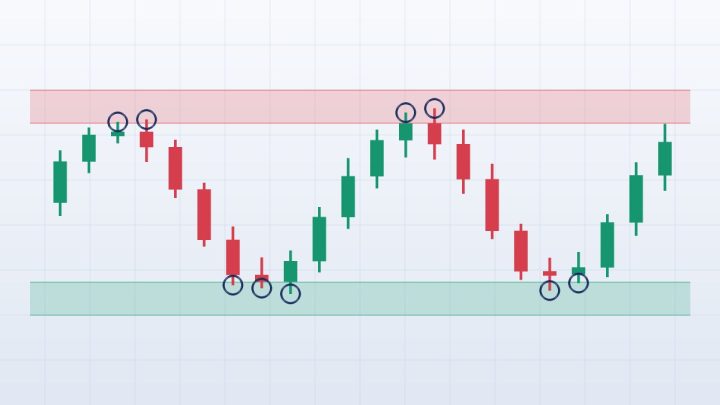
Is Forex Trading Legal in Nepal? Laws & Rules 2026

Introduction
Is forex trading legal in Nepal? This question troubles thousands of aspiring Nepali traders who want to participate in the global currency markets. The straightforward answer is no, Forex trading is currently not legal for Nepali citizens under the regulations enforced by Nepal Rastra Bank (NRB), the country’s central banking authority. The Foreign Exchange Regulation Act strictly prohibits unauthorized foreign exchange transactions, making retail forex trading through international brokers illegal for residents of Nepal.
Despite this prohibition, many Nepali traders continue to explore forex markets through offshore platforms, often unaware of the legal consequences or the risks involved. This comprehensive guide examines Nepal’s forex trading laws, explains why these restrictions exist, outlines the penalties for violations, and explores legal alternatives for Nepali investors interested in currency markets.
Understanding Nepal’s Forex Trading Regulations
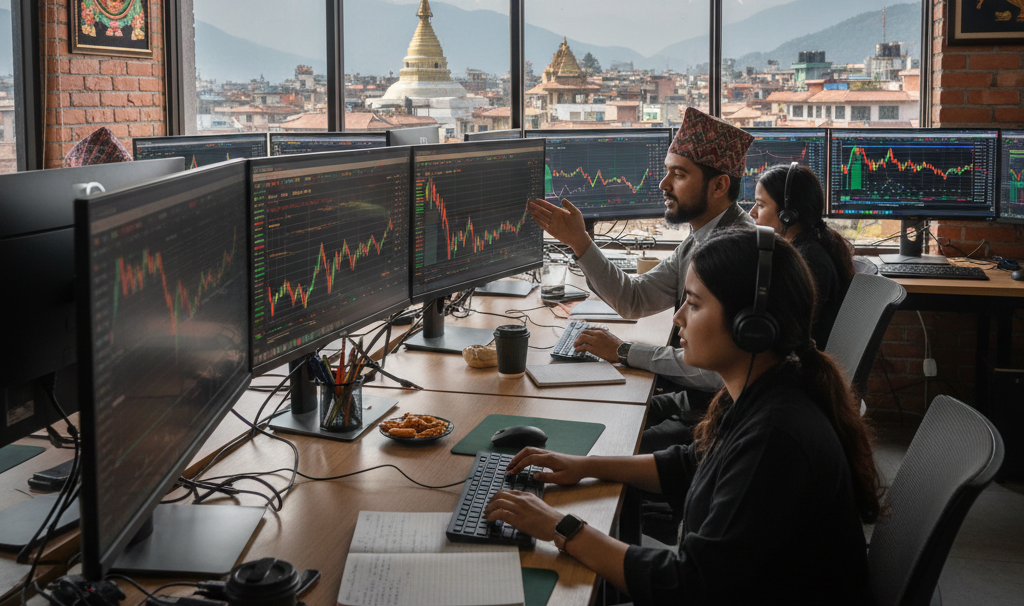
What Does Nepal Rastra Bank Say About Forex Trading?
Nepal Rastra Bank forex rules are unambiguous regarding retail currency trading. The Foreign Exchange Regulation Act of 1962, along with subsequent amendments, grants NRB exclusive authority over all foreign exchange transactions within Nepal. According to these regulations:
- Only authorized dealers (licensed banks and financial institutions) can conduct foreign exchange transactions
- Individuals cannot trade foreign currencies for speculative purposes
- Opening accounts with offshore forex brokers violates foreign exchange laws
- Transferring money abroad for forex trading purposes is prohibited
The NRB maintains these restrictions primarily to protect Nepal’s foreign exchange reserves, prevent capital flight, and shield inexperienced traders from high-risk speculative activities. The central bank has repeatedly issued warnings against unauthorized forex trading platforms operating online.
Visit: Forex Market Hour Tool
Why Is Online Forex Trading Not Allowed in Nepal?
Is online forex trading allowed in Nepal? Unfortunately, no. Several factors contribute to this prohibition:
Capital Control Measures: Nepal faces persistent challenges with foreign exchange reserves. Allowing unrestricted forex trading could lead to significant capital outflow, weakening the Nepalese Rupee and destabilizing the economy.
Investor Protection: Forex trading carries substantial risks, with studies showing that 70-80% of retail forex traders lose money. The NRB views the prohibition as a protective measure for Nepali citizens who may lack adequate financial education.
Regulatory Capacity: Establishing a robust regulatory framework for forex trading requires sophisticated monitoring systems, dispute resolution mechanisms, and consumer protection infrastructure that Nepal currently lacks.
Money Laundering Concerns: Unrestricted access to international forex markets could facilitate money laundering and other illicit financial activities.
Legal Consequences and Penalties
What Happens If You Trade Forex in Nepal?
Trading forex illegally in Nepal can result in serious consequences:
- Monetary Penalties: Fines up to three times the transaction amount
- Account Freezing: Bank accounts used for illegal forex transactions may be frozen
- Criminal Charges: Violation of the Foreign Exchange Regulation Act can lead to imprisonment for up to two years
- Loss of Investment: No legal recourse if you’re defrauded by an offshore broker
- Tax Implications: Unreported forex income violates Nepal’s income tax laws
The Nepal Rastra Bank has collaborated with the Nepal Telecommunications Authority to block access to numerous forex trading websites. However, enforcement remains challenging given the borderless nature of online trading.
How Nepali Traders Currently Access Forex Markets
Despite legal prohibitions, a significant underground forex trading community exists in Nepal. Here’s how traders typically circumvent restrictions:
Common Methods (All Illegal)
- Cryptocurrency Payment Routes: Using crypto exchanges to fund offshore forex accounts
- International Payment Processors: Utilizing services like Neteller, Skrill, or Perfect Money
- Third-Party Payment Agents: Paying local agents who transfer funds internationally
- Foreign Bank Accounts: Opening accounts while abroad and funding them through remittances
Important Warning: All these methods violate Nepal’s foreign exchange regulations and carry legal risks. This information is provided for awareness, not as encouragement to engage in illegal activities.
Best Forex Brokers in Nepal: A Problematic Search
Many Nepali traders search for “best forex brokers in Nepal,” but this query reflects a fundamental misunderstanding. No forex broker legally operates in Nepal, and no international broker is licensed to accept Nepali clients under current NRB regulations. Brokers that actively market to Nepali traders operate in a legal gray area and offer no regulatory protection.
Traders who use offshore brokers face multiple risks:
- No legal recourse for disputes
- Potential for fraud and manipulation
- Withdrawal difficulties
- Exposure to unregulated entities
- Violation of Nepali law
Legal Investment Alternatives for Nepali Investors
Where Can Nepalis Legally Invest?
While forex trading remains off-limits, Nepal offers several legitimate investment opportunities:
Nepal Stock Exchange (NEPSE): Trade shares of Nepali companies with proper regulatory oversight. The Securities Board of Nepal (SEBON) regulates this market, providing investor protection mechanisms.
Mutual Funds: Professional fund managers invest pooled capital across diversified portfolios, offering exposure to equity and debt markets with lower risk than direct stock trading.
Fixed Deposits: Banks offer secure, guaranteed returns through fixed deposit accounts ideal for conservative investors.
Government Securities: Treasury bills and development bonds provide risk-free returns backed by the government.
Real Estate: Property investment remains popular, offering potential appreciation and rental income.
Gold and Silver: Physical precious metals serve as inflation hedges and are culturally accepted investment vehicles.
How to Trade Forex Legally in Nepal: Future Possibilities
How to trade forex legally in Nepal? Currently, there’s no legal pathway for retail forex trading. However, changes may come:
Regulatory Development: If Nepal develops comprehensive forex market regulations similar to India’s SEBI-regulated currency derivatives, legal trading could become possible.
Licensed Domestic Brokers: The government could eventually license domestic brokers to offer forex trading under strict oversight.
Currency Derivatives at NEPSE: The Nepal Stock Exchange might introduce currency futures and options, providing regulated forex exposure.
Until such frameworks exist, Nepali residents must respect current legal boundaries while advocating for progressive regulatory reforms.
Forex Trading Tax in Nepal: What You Should Know
Forex trading tax in Nepal presents a complex situation. While forex trading itself is illegal, any income generated through such activities technically remains taxable under Nepal’s Income Tax Act. This creates a paradoxical situation:
- Income from illegal forex trading should be declared as “income from other sources”
- Tax rates range from 1% to 36% based on income slabs
- Non-declaration constitutes tax evasion, adding another legal violation
- Declaring forex income could expose you to foreign exchange violation charges
This legal contradiction leaves traders in an impossible position, further highlighting why engaging in illegal forex trading is inadvisable.
Expert Perspective: Nepal’s Financial Future
Financial policy experts suggest that Nepal’s forex trading prohibition may eventually evolve. Dr. Prakash Kumar Shrestha, a prominent Nepali economist, notes: “As Nepal’s financial infrastructure matures and foreign exchange reserves stabilize, regulators may reconsider introducing controlled access to forex markets with appropriate safeguards.”
Several factors could accelerate regulatory change:
- Growing demand from educated, tech-savvy investors
- Success stories from neighboring countries with regulated forex markets
- Potential tax revenue from legalized trading
- Desire to prevent capital from flowing to unregulated offshore platforms
However, such changes require careful planning, robust regulatory frameworks, and political will processes that take years to develop.
Practical Guidance for Aspiring Nepali Traders
What Should You Do Now?
If you’re interested in currency markets but want to remain within legal boundaries:
1. Build Financial Knowledge: Study forex markets, trading strategies, and risk management without actual trading. Numerous free educational resources exist online.
2. Practice with Demo Accounts: Some platforms offer demo accounts for educational purposes. While opening them may technically violate regulations, educational use without real money transfers poses minimal enforcement risk.
3. Invest in Legal Alternatives: Channel your capital into Nepal Stock Exchange, mutual funds, or other regulated investments while you build expertise.
4. Monitor Regulatory Changes: Follow Nepal Rastra Bank announcements for any policy shifts regarding forex trading.
5. Advocate for Change: Join investor groups pushing for progressive financial regulations that balance innovation with consumer protection.
6. Consider Global Options: If you work or study abroad, you may legally access forex markets in jurisdictions where you have residency, though transferring profits back to Nepal requires compliance with remittance regulations.
Key Takeaways
- Forex trading is definitively illegal for Nepali citizens under current Nepal Rastra Bank regulations
- Penalties include fines, imprisonment, and account freezing
- No forex broker legally operates in Nepal or is licensed to accept Nepali clients
- Legal investment alternatives include NEPSE, mutual funds, and government securities
- Future regulatory changes may eventually permit controlled forex trading
- Education and preparation position you for opportunities when regulations evolve
So, is forex trading legal in Nepal? The answer remains a clear no under current regulations. While the global forex market’s allure is understandable offering 24/7 trading, high leverage, and potential profits Nepali traders must respect their country’s laws. The risks of illegal trading extend beyond legal penalties to include fraud exposure, capital loss, and supporting unregulated platforms.
Rather than seeking risky workarounds, aspiring traders should focus on legal investment vehicles, build genuine market knowledge, and work toward regulatory reforms that could eventually bring safe, legal forex trading to Nepal. Financial success built on legal foundations proves more sustainable than profits derived from prohibited activities.
FAQ Schema Section
1. Can I legally trade forex in Nepal in 2026?
No, forex trading remains illegal for Nepali citizens in 2026. Nepal Rastra Bank prohibits unauthorized foreign exchange transactions under the Foreign Exchange Regulation Act. Only licensed financial institutions can conduct forex operations.
2. What penalties do I face for illegal forex trading in Nepal?
Penalties include fines up to three times the transaction amount, imprisonment for up to two years, and freezing of bank accounts. Additionally, you have no legal recourse if defrauded by offshore brokers.
3. Are there any forex brokers licensed in Nepal?
No, Nepal has no licensed forex brokers. International brokers accepting Nepali clients operate illegally under Nepali law and offer no regulatory protection to traders.
4. What are legal alternatives to forex trading in Nepal?
Legal alternatives include trading on the Nepal Stock Exchange (NEPSE), investing in mutual funds, purchasing government securities, making fixed deposits, real estate investment, and buying precious metals.
5. Will forex trading become legal in Nepal soon?
While no official timeline exists, experts believe Nepal may eventually introduce regulated forex trading as its financial infrastructure develops. However, this requires comprehensive regulatory frameworks and could take several years.
Learn more: who we are · the risk disclaimer · contact us.
Educational content, not financial advice. Leveraged trading can lose more than your deposit.